
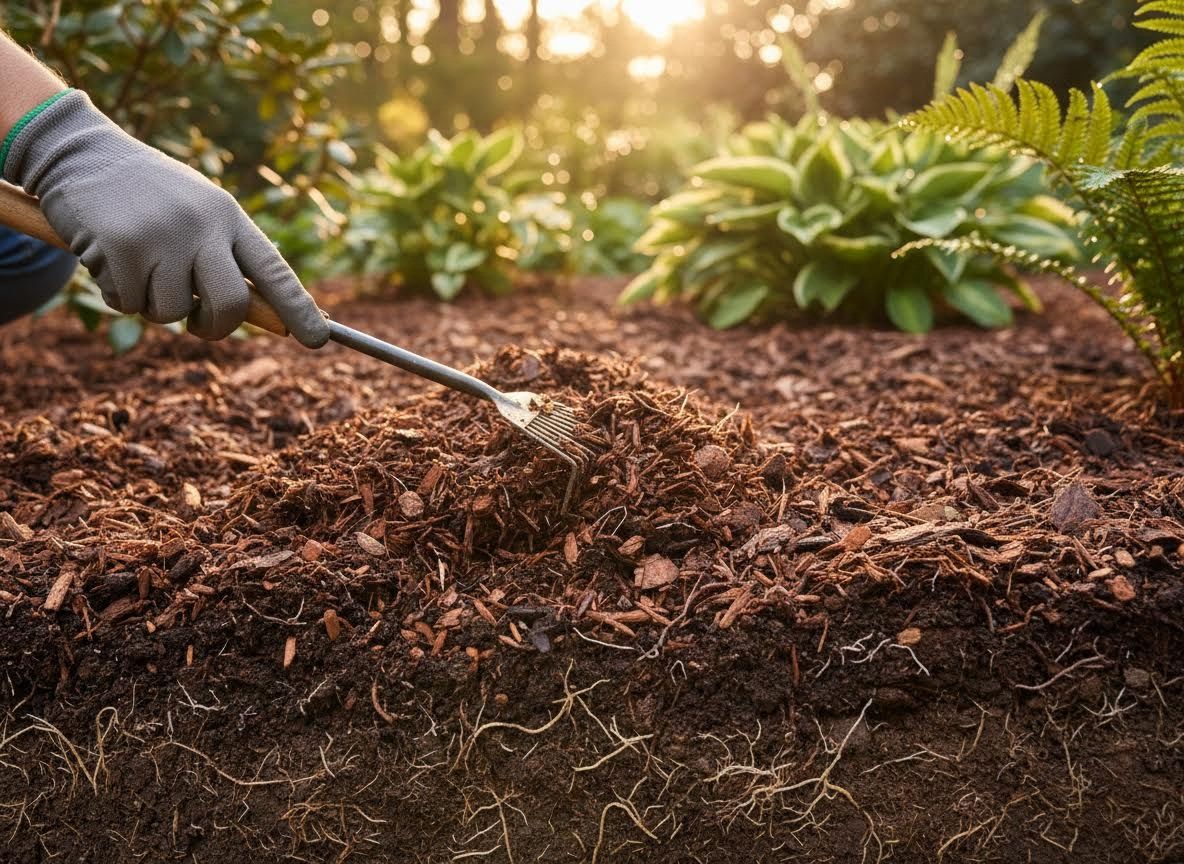
While weed control is a well-known benefit of mulching, the true power of applying the right organic material to your landscape extends far beneath the surface. For property owners across the Greater Charlotte area, understanding how a simple addition like hardwood mulch can profoundly improve soil health is key to cultivating a thriving outdoor space. At 4th Generation Landscaping and Design, we've seen firsthand how this natural material contributes to more than just aesthetics; it actively works to transform your soil from the ground up. Let's explore how hardwood mulch goes beyond weed suppression to build a stronger foundation for your plants.
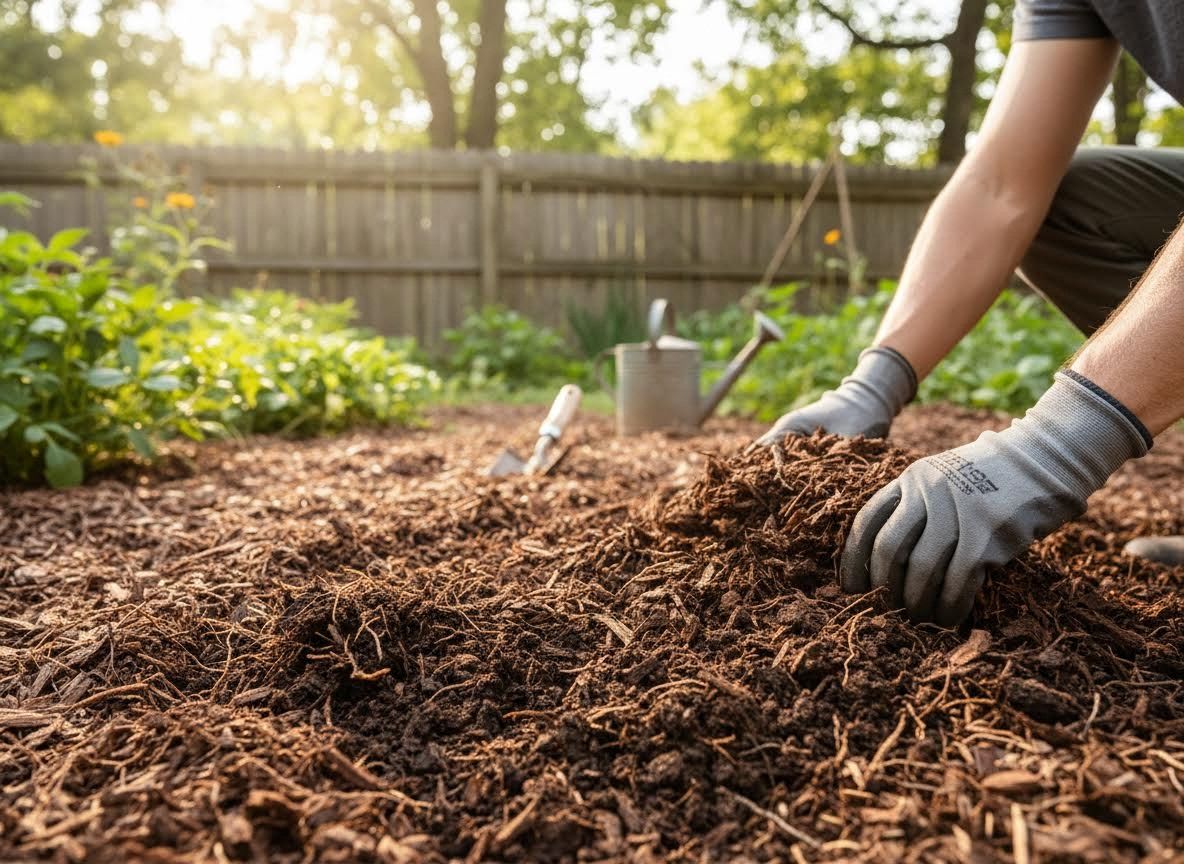
The Foundation: Understanding Healthy North Carolina Soil
North Carolina's diverse geography means we encounter a range of soil types, from heavy clays in some areas to sandy loams in others. Healthy soil structure is crucial for any garden or lawn to flourish. It refers to how soil particles clump together, forming aggregates that create pathways for air and water, and provide space for roots to grow. Poor soil structure, often found in compacted or heavily clay soils, can lead to drainage issues, nutrient lockout, and stressed plants. Improving this structure is fundamental to achieving vibrant, resilient landscapes, and organic amendments are among the most effective tools for this.
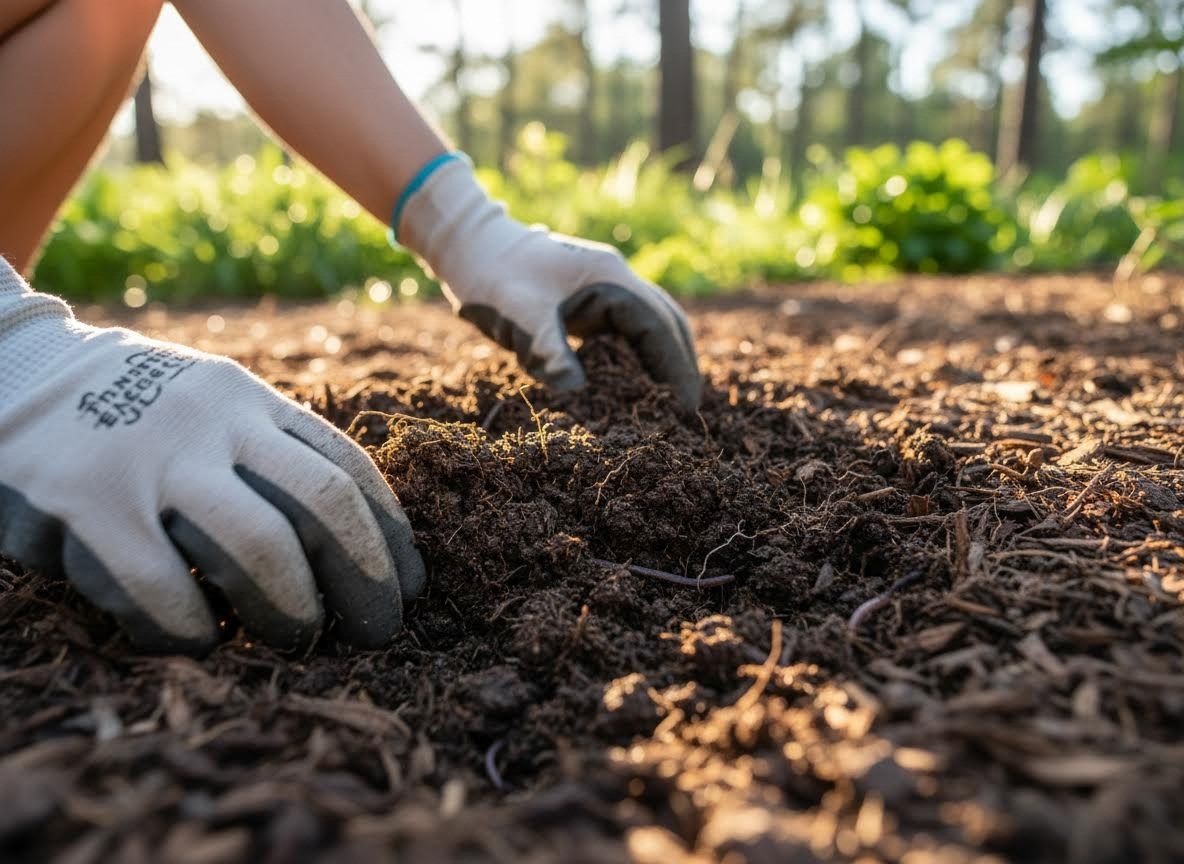
How Hardwood Mulch Transforms Soil Structure
Hardwood mulch doesn't just sit on top of your soil; it actively contributes to its long-term health. Over time, as hardwood mulch breaks down, it releases organic matter into the soil. This organic matter acts like a glue, binding soil particles together to form stable aggregates. This process improves aeration, allowing oxygen to reach plant roots and beneficial microorganisms. It also enhances drainage in heavy clay soils while increasing water retention in sandy soils, creating a more balanced and hospitable environment. Regular hardwood mulch installation is a direct investment in the vitality of your soil, fostering a robust underground ecosystem.
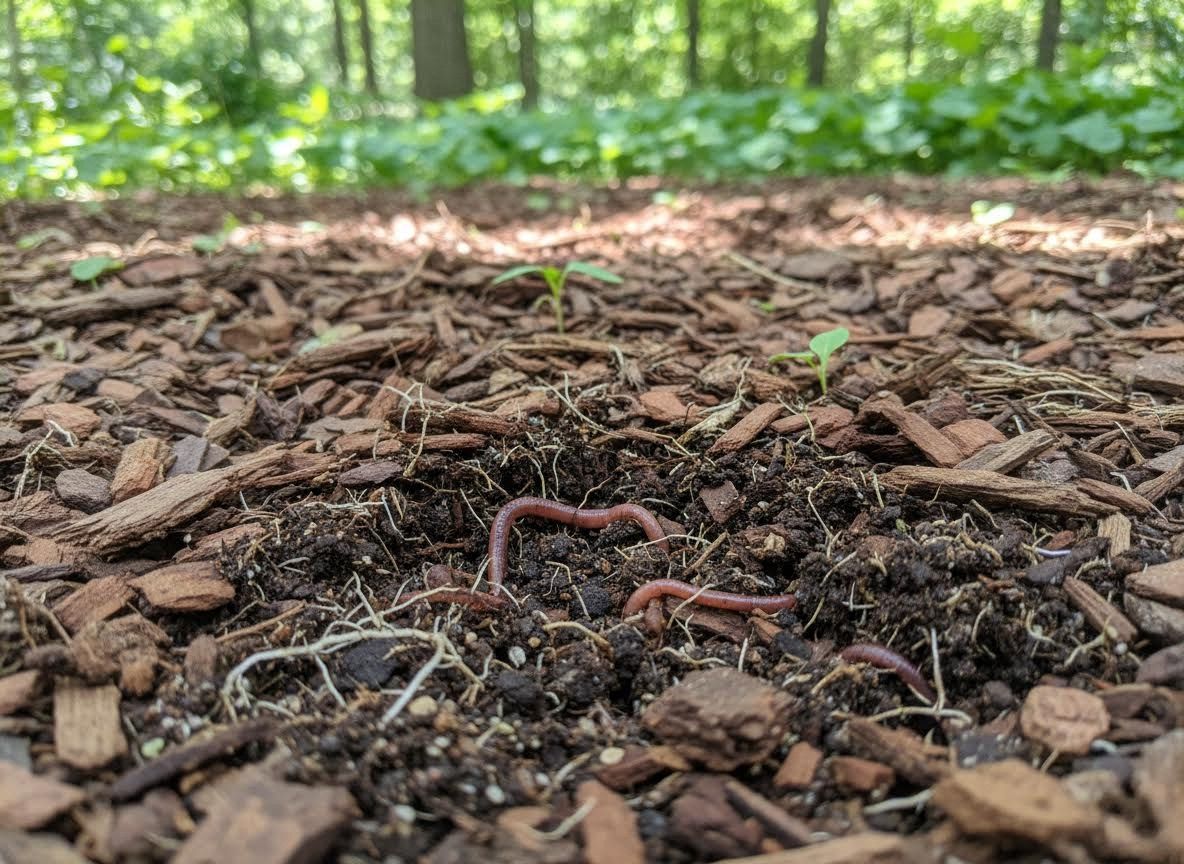
Enhanced Nutrient Cycling and Microbial Activity
The decomposition of hardwood mulch is a slow, steady release of essential nutrients back into the soil. As microbes and earthworms break down the organic material, they make these nutrients available for plant uptake, reducing the need for synthetic fertilizers. This biological activity also creates a more complex and resilient soil food web, which is critical for disease suppression and overall plant health. A thriving microbial community contributes significantly to maintaining an open, airy soil structure, ensuring that roots have access to everything they need to grow strong and healthy.
Moisture and Temperature Regulation for Local Conditions
North Carolina's climate can present challenges, from scorching summer days to occasional dry spells. A generous layer of hardwood mulch acts as a natural insulator, moderating soil temperatures by keeping the soil cooler in summer and warmer in winter. More importantly, it significantly reduces water evaporation from the soil surface. This means your plants have more consistent access to moisture, leading to less watering and healthier growth, especially beneficial during periods of drought. This consistent moisture also aids in the decomposition process, creating a continuous cycle of soil improvement.
Ready to Build a Healthier Landscape from the Ground Up?
Don't just cover your soil—enrich it. If you are ready to unlock the full potential of your Charlotte-area property, the team at 4th Generation Landscaping and Design is here to help. From premium hardwood mulch delivery and professional installation to comprehensive landscape renovations, we have the generational expertise to ensure your outdoor space thrives year-round.