
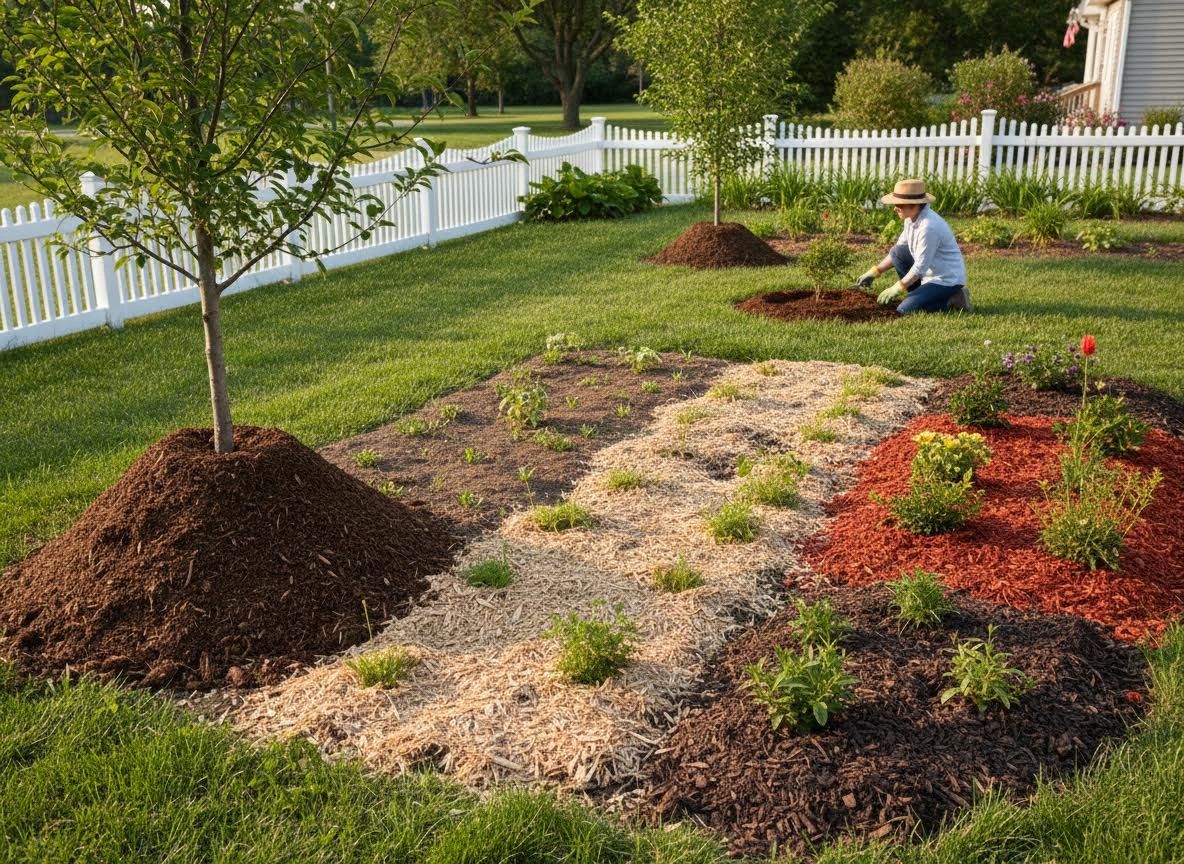
Mulching is a foundational practice in maintaining a healthy and beautiful landscape, offering benefits like moisture retention, weed suppression, and soil temperature regulation. However, even with the best intentions, homeowners often make common mistakes that can hinder their garden's health rather than help it. At 4th Generation Landscaping and Design, we've seen these missteps firsthand, and we're here to guide you toward successful mulching practices that will elevate your outdoor space.
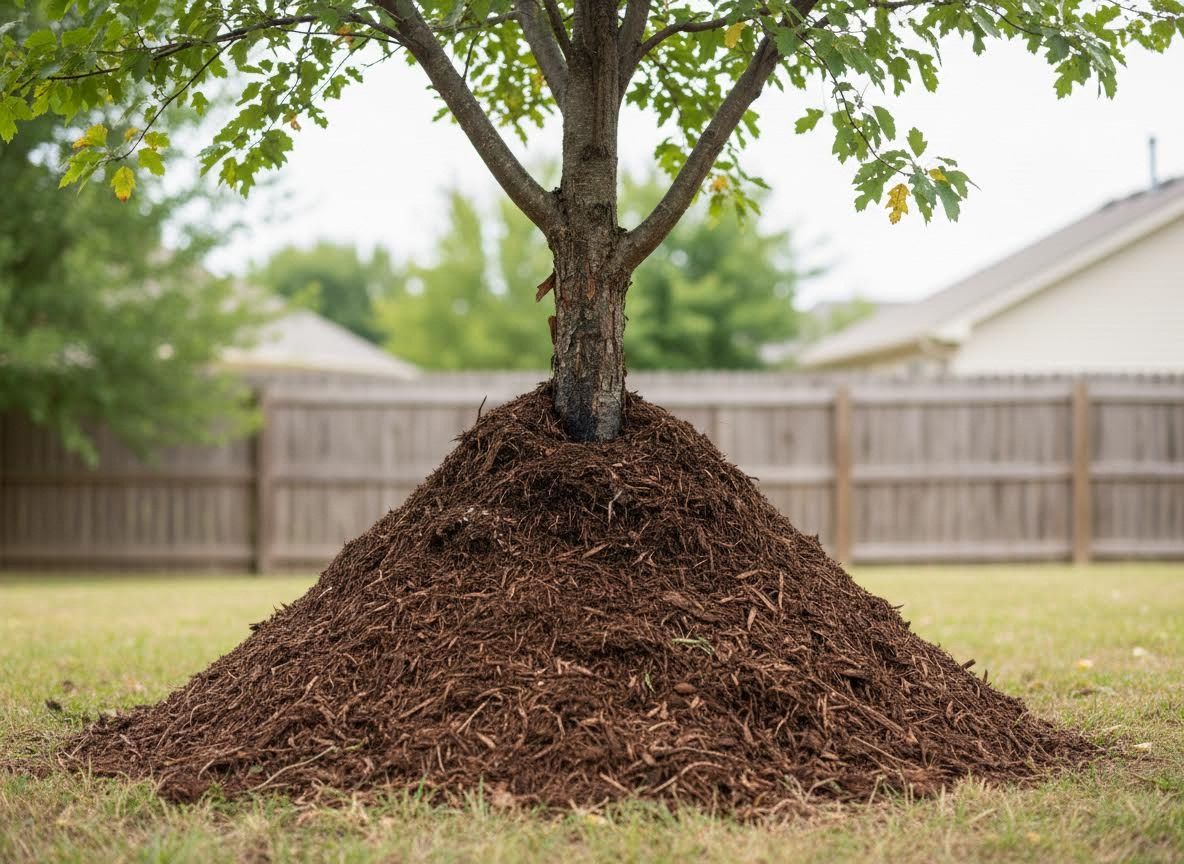
Mistake #1: The Mulch Volcano
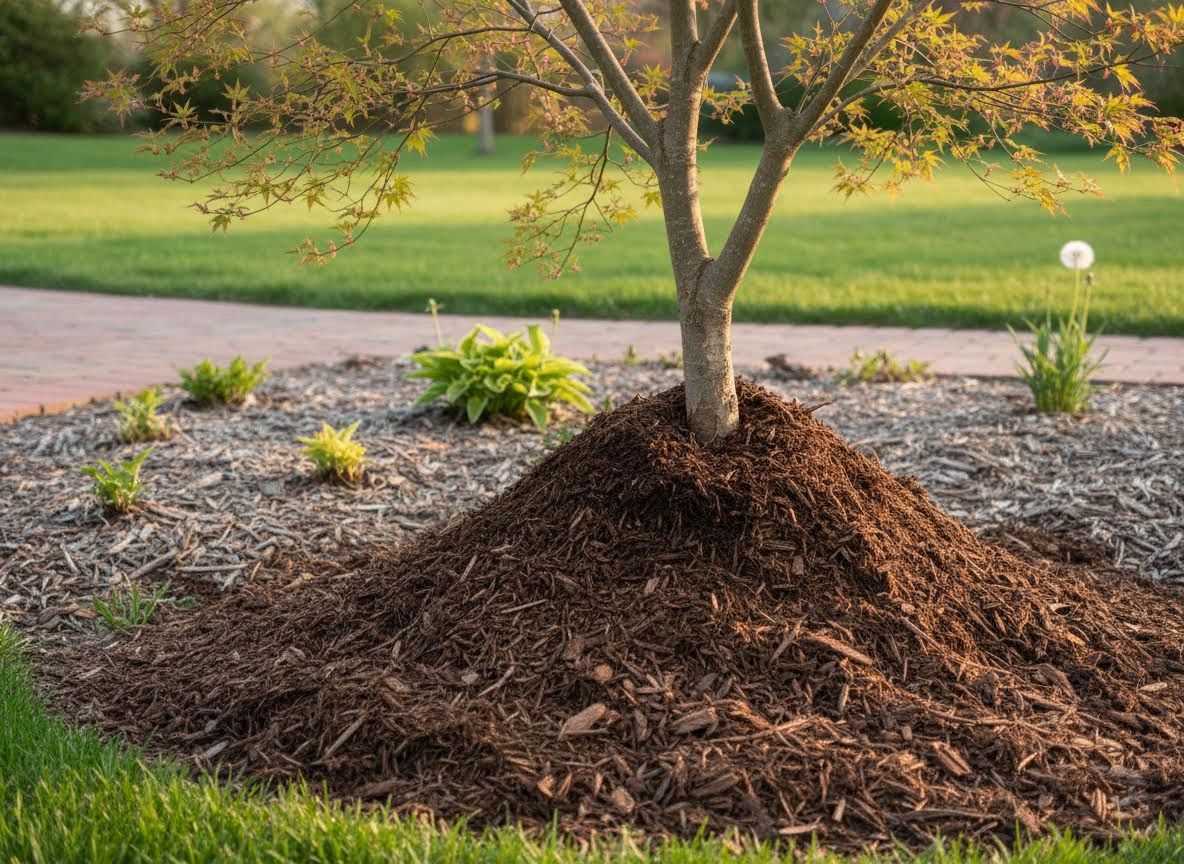
One of the most frequent errors we observe is piling mulch too high against tree trunks and plant stems, creating what's often called a "mulch volcano." While the goal might be to protect the plant, this practice can be incredibly detrimental. Excess mulch traps moisture against the bark, leading to rot and fungal diseases, and creating a hospitable environment for pests like rodents and insects that can damage the tree. It can also suffocate surface roots, preventing them from getting essential oxygen.
To fix this, aim for a mulch layer that is consistently 2-3 inches deep, spreading it evenly across the plant's root zone. Crucially, leave a small gap of several inches around the base of tree trunks and plant stems, creating a donut-like shape. This ensures proper air circulation and prevents moisture from accumulating directly against the bark, allowing your plants to breathe and thrive.
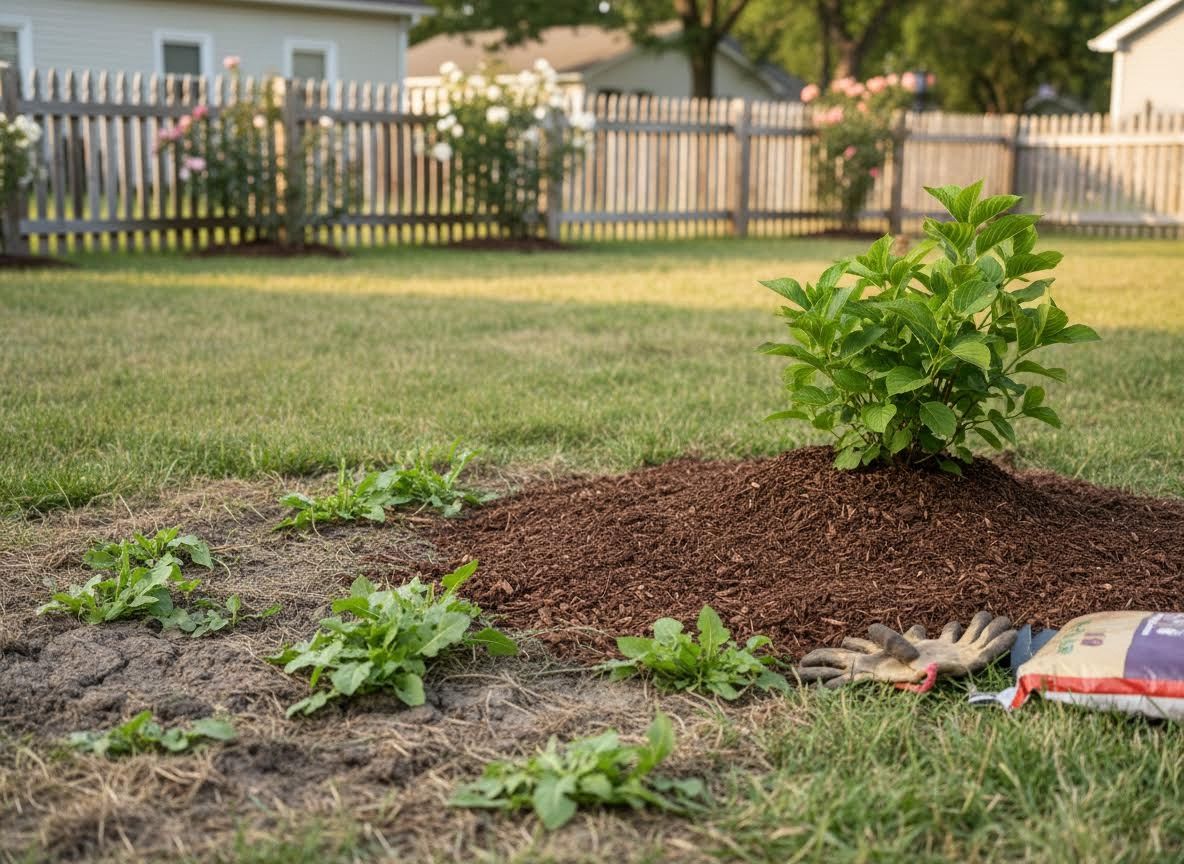
Mistake #2: Applying Too Little Mulch or Unevenly
On the other end of the spectrum, some homeowners apply too little mulch, or they spread it so unevenly that it fails to provide adequate coverage. A thin or patchy layer of mulch won't effectively suppress weeds, retain soil moisture, or regulate soil temperature. Weeds will easily break through, competing with your desired plants for nutrients and water, and the soil will dry out quickly, necessitating more frequent watering.
The solution is to apply a uniform layer of mulch, typically 2-3 inches deep, across all planted areas. Ensure complete coverage right up to the edge of your planting beds, maintaining the space around plant bases as mentioned above. If you're using a lighter mulch, a slightly thicker application might be necessary, but avoid exceeding 4 inches in most cases. Consistent and even application maximizes the benefits of mulching for a healthier landscape.
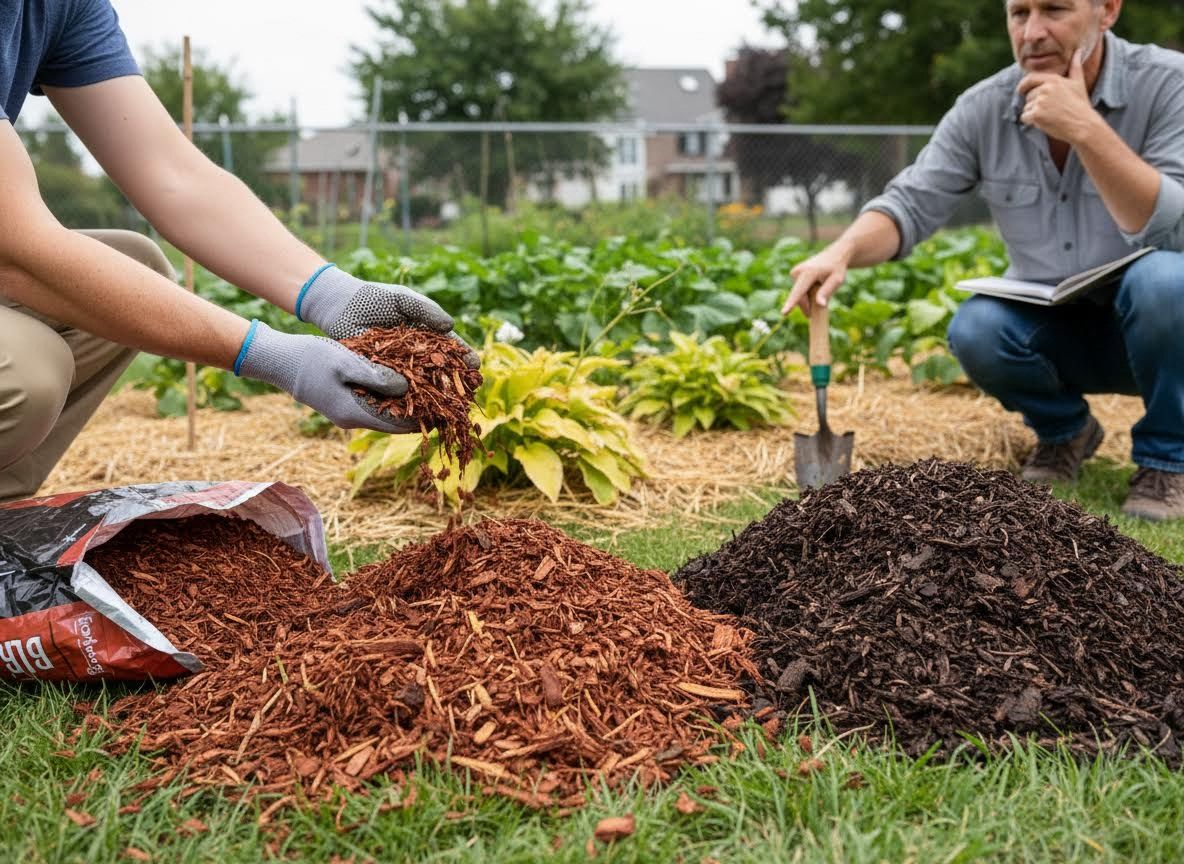
Mistake #3: Choosing the Wrong Type of Mulch
With a myriad of options available, selecting the right type of mulch for your specific needs is crucial. Homeowners sometimes choose mulch based solely on aesthetics or price, without considering its functional properties or suitability for their climate and plants. For instance, some mulches break down quickly, requiring frequent replenishment, while others might leach nutrients or change soil pH in undesirable ways.
To correct this, consider the purpose and location of your mulching. For long-lasting weed suppression and moisture retention in perennial beds or around trees, a high-quality hardwood mulch or shredded bark is often an excellent choice. These break down slowly, enriching the soil over time. For vegetable gardens, lighter options like straw can be beneficial. Always research the best type of mulch for your specific plants and soil conditions. Professional advice can be invaluable in making the right selection for your landscape.
Mistike #4: Mulching at the Wrong Time
Timing is everything when it comes to mulching. Applying mulch at an incorrect time can diminish its effectiveness or, in some cases, even harm your plants. For example, mulching too early in spring when the soil is still cold can prevent it from warming up, delaying plant growth. Conversely, mulching too late in the season might not provide enough insulation before winter's chill sets in.
The optimal time for mulching is typically in late spring, after the soil has begun to warm up but before summer's heat and aggressive weed growth take hold. This allows the soil to warm adequately for root development while immediately providing the benefits of weed suppression and moisture retention. A lighter application in the fall can also be beneficial to provide insulation for plant roots through the winter. Observing your local climate and plant needs will help you determine the best schedule.
Avoid the Hassle and Let the Experts Handle Your Mulch
Don't let common mulching mistakes compromise the health and beauty of your garden. If you want to ensure your landscape gets the exact protection it needs without breaking your back this weekend, the team at 4th Generation Landscaping and Design is here to help. We offer premium hardwood mulch delivery and precision installation to guarantee your beds are perfectly prepped, evenly covered, and free of "mulch volcanoes."
Take the guesswork—and the heavy lifting—out of your yard work.